



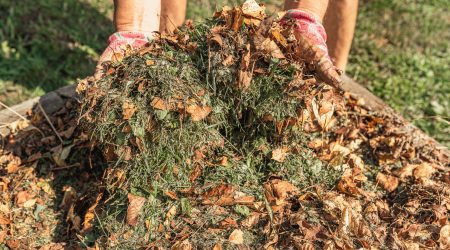
Composting can significantly reduce the amount of yard waste that ends up in a residential roll-off dumpster by transforming organic materials into nutrient-rich compost. Here’s how composting helps in minimizing yard waste:
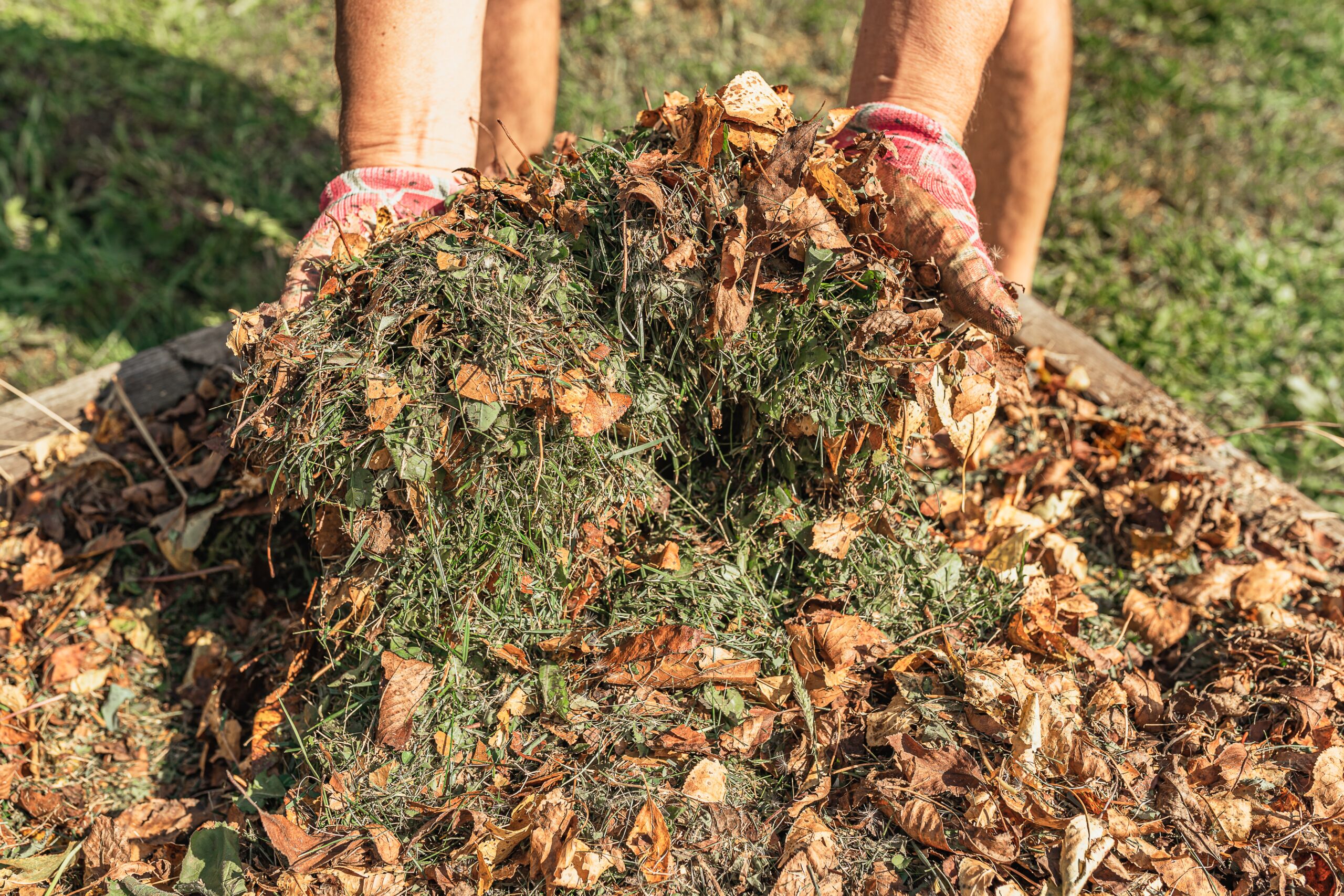
Reduces Waste Volume: Yard waste such as leaves, grass clippings, branches, and garden debris can be composted instead of thrown away. Composting breaks down these materials into a much smaller volume of compost, thereby reducing the amount of waste that needs to be hauled away.
The compost produced can be used to enrich soil in gardens, lawns, and landscaping projects. This reduces the need for chemical fertilizers and improves soil health.
Diverts Waste from Landfills: Composting minimizes organic waste in landfills, where it would otherwise decompose anaerobically and produce methane, a potent greenhouse gas. By composting yard waste, you contribute to reducing greenhouse gas emissions.
Saves on Disposal Costs: Composting at home or in a community composting program can reduce the frequency and volume of roll-off dumpster rentals. This can lead to reduced costs of waste disposal fees and rental charges.
Environmental Benefits: Composting improves soil structure, water retention, and fertility, promoting healthier plant growth. It also supports beneficial microorganisms and insects, enhancing biodiversity in your garden.
Reduces Transportation Impact: Less yard waste in dumpsters means fewer trips to the landfill or waste processing facility, reducing fuel consumption and associated emissions from transportation.
Choose a Composting Method
Backyard Composting: Use a compost bin or pile in your backyard.
Community Composting: Participate in a local composting program.
Vermicomposting: Use worms to break down organic matter, suitable for smaller amounts of waste.
Collect Yard Waste: Gather leaves, grass clippings, plant trimmings, and small branches. Avoid composting large branches, diseased plants, or pet waste.
Layer Materials: Alternate layers of green materials (grass clippings, vegetable scraps) and brown materials (leaves, straw) to create a balanced compost pile.
Maintain the Compost: Turn the compost regularly to aerate it and speed up decomposition. Keep the pile moist but not too wet.
Use the Compost: Once the compost is dark, crumbly, and earthy-smelling, it’s ready to use. Apply it to your garden beds, lawns, and around plants to improve soil quality.
By incorporating composting into your waste management practices, you can effectively reduce the amount of yard waste that ends up in a roll-off dumpster, and providing a more sustainable and environmentally friendly approach to waste disposal.
Contact us today to get started with your roll-off dumpster needs.
Need Help creating a Waste Management Plan for Your Business in the Mobile / Montgomery Area ?
Look no further than Circle J Roll-Offs. We have been serving Mobile and Montgomery, Alabama, and the surrounding areas since 1969. We provide waste management services for commercial and industrial businesses, as well as full-service dumpster rentals. We provide different sizes and types of dumpsters to meet your specific waste management needs. Give us a call at (215) 661-0001 or fill out our online form to speak with one of our waste management planning experts today.
